


Top 10 Points To Get The Success In Intraday Trading
Traders make different kinds of profits from different types of purposes. Some profits come from long-term investments, which is a gradual process, yet may produce high returns. Other profits come from short-term strategies, like intraday trading, when you buy and sell stocks on the same day.
WHAT IS INTRADAY TRADING
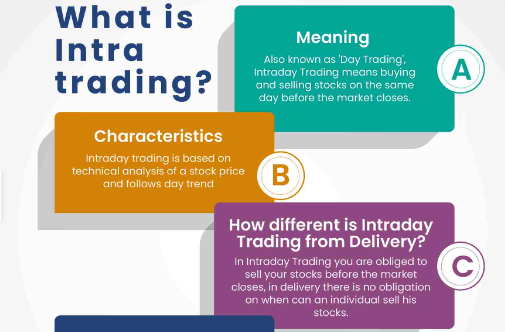
Intraday trading is a riskier method, but sometimes it pays off more quickly. By using online trading platforms, one must specify ‘intraday’ when buying stock for a company in the platform’s portal. This allows the user to buy and then sell the same amount of stocks of the same firm within one day before the market ends. The purpose of day trading is to earn profits through the movement of market indices.
How Does It Work
Intraday trading is the buying and selling of financial instruments within the same day. It means that all positions are closed before the market closes, and there is no change in ownership of shares as a result of the trades. Intraday trading can be a great way to make quick profits, but it also comes with risks. So make sure you know what you’re doing before you start trading!
Example – A trader owns a stock that has a current value of Rs 100. The trader then places a stop order to instruct the stockbroker to sell the stock for Rs 98. If the price comes down to Rs 98 or even lower, the stop order gets executed as a market order to sell the stock.
STRATEGIES FOR INTRADAY TRADING
Intraday trading is a more speculative way of investing in the stock market, where trades are made and completed within the same day, as opposed to the more common method of buying shares and holding them for longer. This guide will introduce you to some of the basic concepts and strategies involved in Intraday trading so that you can minimize your losses and maximize your profits. A quick tip for beginners is only to invest as much money as you can afford to lose without affecting your financial stability.
Reversal Trading Strategy
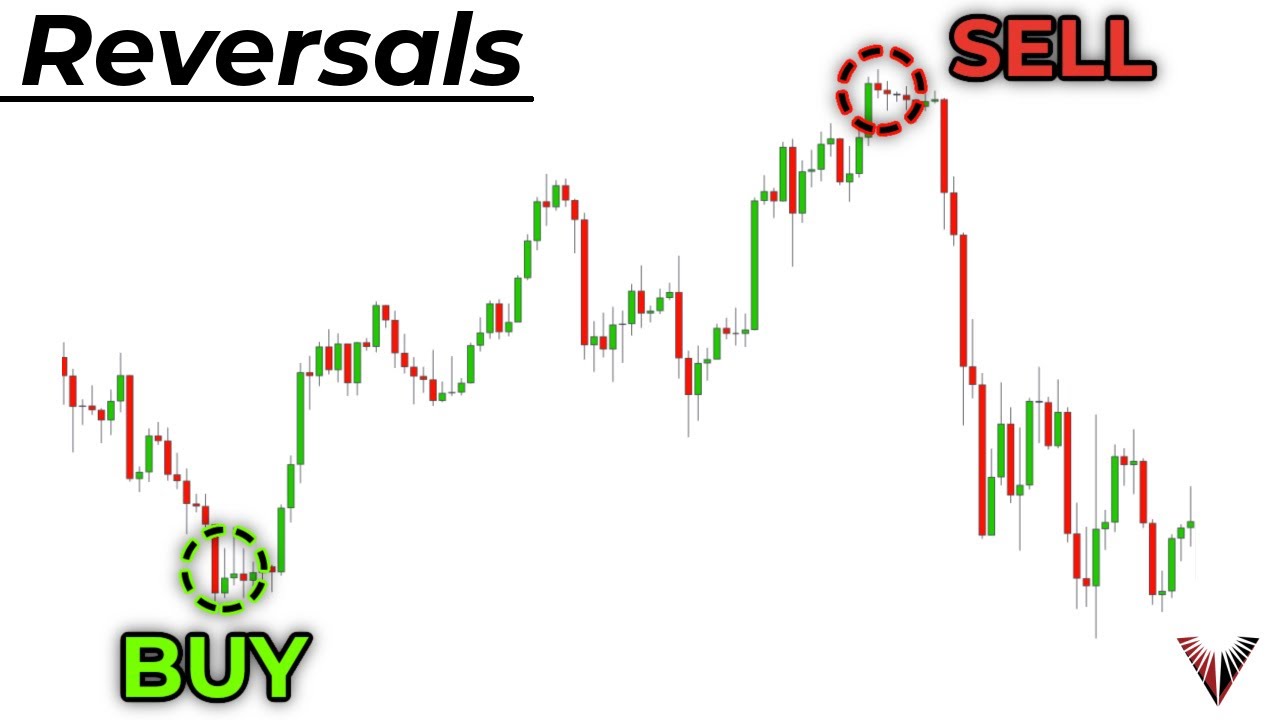
Reversal trading is a strategy that involves betting on stocks that are against their current price trends. The goal is to wait for the stock to make a “reversal” back to its original price. This strategy is also known as “mean reversion trading” or “pullback trading.” When a stock makes a “Reversal”, it means the direction of a certain stock’s price trends has changed.

Momentum Trading Strategy
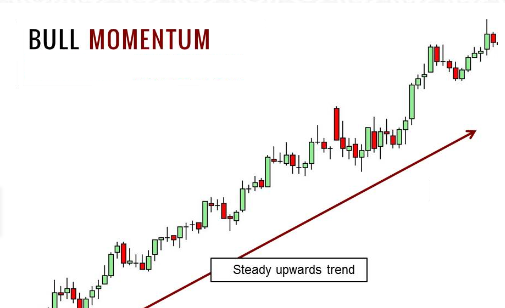
Momentum investing is a strategy traders use to buy securities that are currently in an upwards trend and then sell them when it appears the trend is changing or slowing down. The goal is to take advantage of market volatility by finding securities that are rising in value and then selling them before the market corrects itself. This can be a profitable strategy if done correctly, but it requires quick decision-making and constant monitoring of the market.
Breakout Trading Strategy
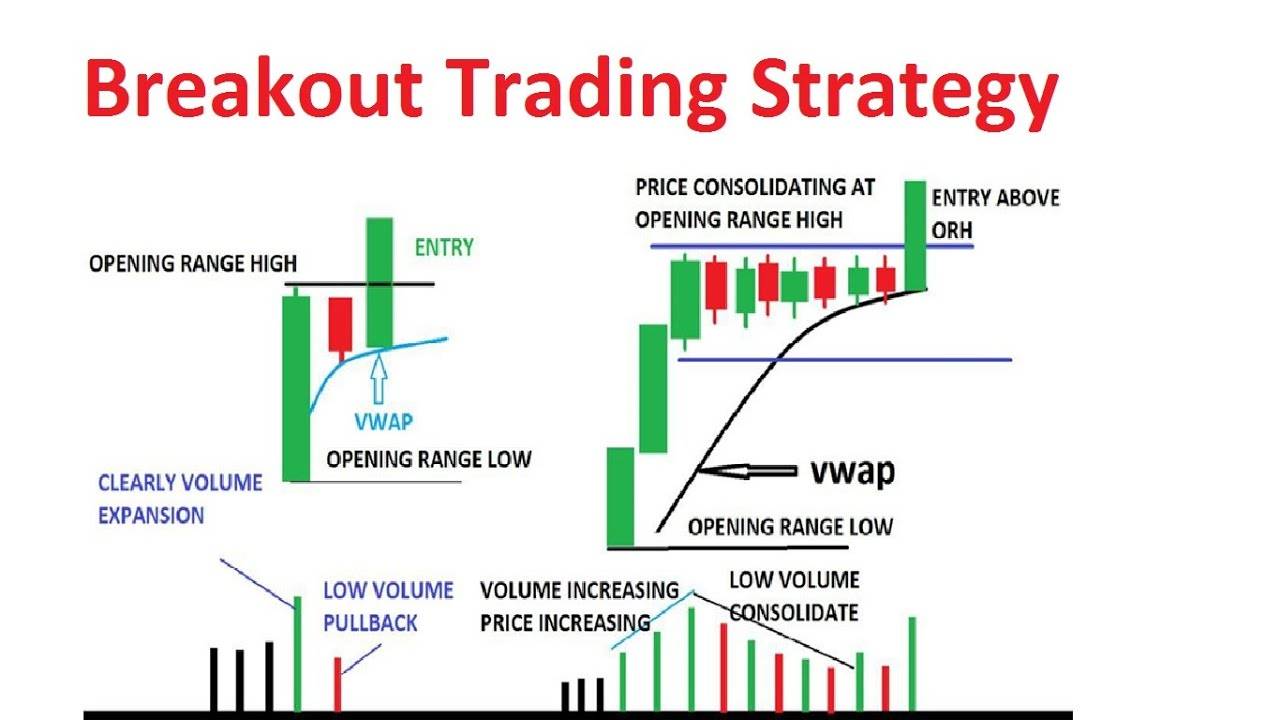
Breakout trading is a type of momentum trading that requires the trader to enter and exit the market quickly. In breakout trading, traders try to enter the market when the price of a security moves outside a specific price range. For example, suppose prices move above a certain resistance level. In that case, traders may try to enter the market in the hopes that prices will continue to rise. Conversely, if prices move below a certain support level, traders may try to enter the market, hoping that prices will rebound. The fundamental thought processing behind the breakout trading strategy is that if prices move outside of a range, they are more likely to continue moving in that direction.

Moving average crossover strategy
One of the most popular moving average strategies is known as a price crossover. This occurs when the price crosses either above or below a moving average, which could signal a potential change in the trend. Another strategy that is commonly used is applying two moving averages to a chart - one longer and one shorter.
Gap and Go Trading Strategy
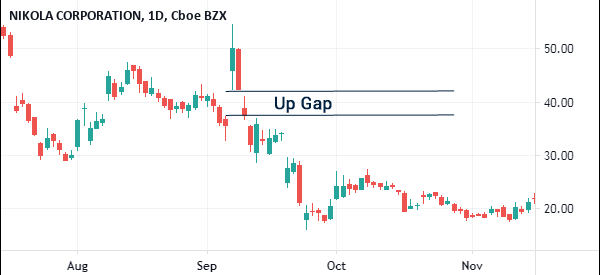
The gap-and-go strategy is a trading technique that involves buying stocks that have increased in price from the previous day's close. Suppose you want to be successful at gap trading. In that case, the most common approach is using a pre-market scanner to identify stocks with high volume during pre-market hours. This strategy is very popular among day traders.
Top 10 Intraday Trading Rules For Successful Trading
Invest In Liquid Stock
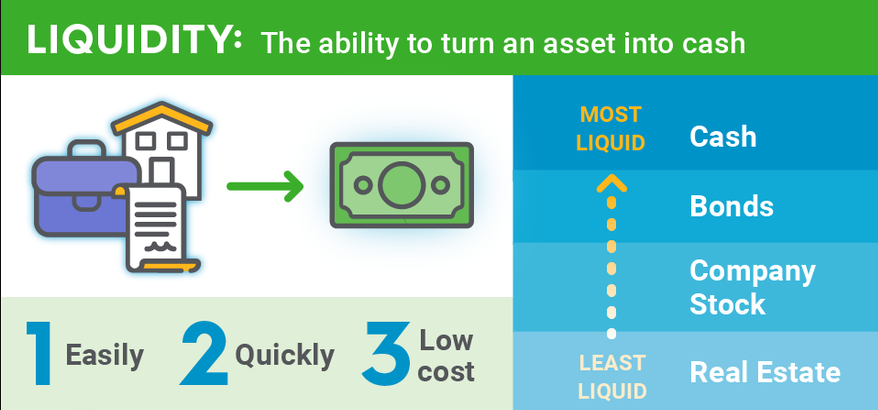
As you know by now, intraday trading involves buying and selling a set of shares on the same day before market closing, i.e., squaring off open positions. However, for the ex-change to execute these orders, there has to be enough liquidity in the market. Thus the first tip of the free intraday tips for today is to avoid small-cap and mid-cap stocks that may not be liquid enough. Otherwise, your squaring-off order may not get executed, forcing you to take delivery instead.
Use Stop Loss Judiciously
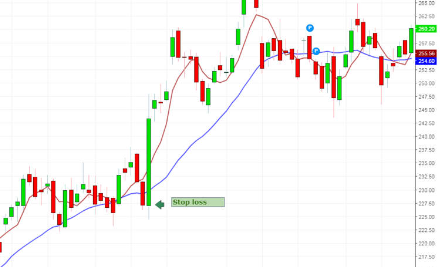
It is quite possible that the share you chose falls on the day you trade instead of rising. Therefore, it is important that you decide how low the stock can be allowed to fall before you square off the position. This acts as a safety net and helps minimize your losses. Most experts would suggest this is the most important tip for intraday trading you'll ever get. Hence the third free intraday tip is to research intraday calls, which are bought and sell recommendations, and set a stop-loss level.
Do Not Overtrade
Overtrading occurs when a company expands at a rate that is too fast for its financial resources to support. If the business doesn't secure funding to cover the costs associated with this growth, overtrading can ultimately lead to its downfall. ...In other words, overtrading is primarily a problem of growth.

Avoid Rumors & Media News
Whenever we trade in the stock market, many rumors and news's came about the uptrend and downtrend of the market. We should not believe in these types of news. Instead, focus on your analyses and knowledge. If You have any doubt about news, you can ask an advisor, Because as an intraday trader, you have to be more active and alert.
Do Not Be An Investor
Intraday trading, as well as investing, requires individuals to purchase shares. However, the factors for both these strategies are distinct. One kind adopts fundamentals, while the other considers the technical details. Day traders often purchase stocks with the expectation that the value will increase in the near future, but if this objective is not achieved, they are often forced to face the reality of taking possession of shares. Despite their best attempts, they may not be rewarded for their efforts, as an extended holding of stock originally purchased for a short period may not be wise.


Follow Market Trend
Trend following is defined as a trading methodology or practice that attempts to capture the different trends occurring across the various markets. It is a strategy based on the idea that if traders ride the trend, then they can avoid losses. A market trend can be defined as the direction in which the financial market moves over a certain period of time. For instance, a bull market indicates an upwards movement, while a bear market points to a downwards direction. Some other popular types of market trends are sideways trending markets and volatile markets.
Analyze and Learn
If you want to learn technical analysis, the best way to go about it is by first understanding the basics and then applying that knowledge through backtesting or paper trading. With today's technology, many brokers and websites offer electronic platforms that simulate live markets, making it easier to test your knowledge without risk.


Avoid Emotional Decision
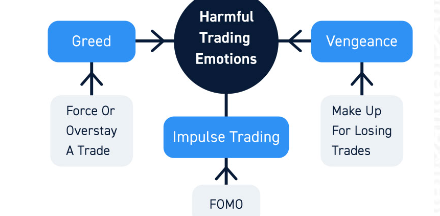
Emotional biases can be hard to manage as they derive from impulse rather than miscalculation or interpretation of information. Investment decisions driven by these emotions can make it challenging to stay on track to achieve long-term financial goals. Most of the investors are subject to human emotions while making investment decisions, albeit not expressing them openly... Emotions occupy a powerful position in making investment decisions. It drives human behavior that is consistent with economic predictions while making investments.
Avoid Taking Many Risks
Risk avoidance is an approach often used in business that eliminates or exposure to risk that could result in a loss. To reduce the likelihood of risk, companies often create mitigation strategies that aim to reduce the severity of a potential loss. Traders do not take risks because they are unafraid of losing money. ... Large volumes of stocks and foreign exchange currencies are traded each day, generating market volatility and allowing traders to book a profit.


Concentrate And Focused
When you’re trading the markets, concentrate on the trade. You cannot let your attention sway. You can’t impulsively make a mistake. We are often distracted, however; when we are distracted, we act impulsively and make mistakes. Research studies have shown that when people’s psychological resources are taxed to the limit, they have trouble resisting temptation. For example, when they play games of chance, they are likely to take an immediate smaller reward rather than wait for a larger reward. It’s like your mind tells you unconsciously to avoid waiting and to just get it over with and take what you can get. But winning trades are hard to come by, and if you sell prematurely too often, you’ll never accumulate enough profits to end up profitable overall.

Free Registration for Stock Market Tips ( Advisory Services)


As per the SEBI rules, we will provide our Services only to those clients who have Complete Risk Profile. Fill This Registration Form and
Contact us on
- Whatsapp @ +91 95999 69624
- Call Us @ +91 9650 890 321
for further process.