


Share Market Tips For Beginners
The share market, also known as the stock market, is a crucial component of the global financial system. It plays a vital role in the economy by facilitating the buying and selling of shares, which represent ownership in a company. The share market provides individuals and institutions with the opportunity to invest their money and potentially earn returns through capital appreciation and dividends.
What is Share Market
The share market is a marketplace where buyers and sellers come together to trade shares of publicly listed companies. Shares represent ownership in a company and are bought and sold through stock exchanges. There are two main types of shares: common shares and preferred shares. Common shares give shareholders voting rights and the potential for capital appreciation, while preferred shares provide a fixed dividend but no voting rights.
The share market works through the interaction of buyers and sellers. When investors want to buy shares, they place an order with a broker who then executes the trade on their behalf. Similarly, when investors want to sell shares, they place a sell order with their broker. The price at which shares are bought and sold is determined by supply and demand dynamics in the market.

Importance of Research and Analysis
Research and analysis are crucial for making informed investment decisions in the share market. By conducting thorough research, investors can gain insights into the financial health, growth prospects, and competitive position of companies they are interested in investing in. This information helps investors assess the value of a company's shares and make informed decisions about buying or selling.

There are different types of research and analysis that investors can use to evaluate companies. Fundamental analysis involves analyzing a company’s financial statements, industry trends, management team, and competitive landscape to determine its intrinsic value. Technical analysis, on the other hand, involves studying historical price patterns and using charts and indicators to predict future price movements.
To conduct research and analysis, investors can use various tools and resources. Financial news websites, company annual reports, and analyst reports are valuable sources of information. Online brokerage platforms also provide access to research reports, stock screeners, and financial data that can help investors make informed decisions.
Choosing the Right Broker
Choosing the right broker is crucial for successful investing in the share market. A broker is a financial intermediary who facilitates the buying and selling of shares on behalf of investors. When selecting a broker, there are several factors to consider.
Firstly, investors should consider the fees and commissions charged by the broker. Different brokers have different fee structures, so it’s important to compare costs and choose one that aligns with your investment strategy. Additionally, investors should consider the range of services offered by the broker, such as research reports, trading tools, and customer support.
There are different types of brokers to choose from, including full-service brokers and discount brokers. Full-service brokers provide a wide range of services, including personalized investment advice and portfolio management. However, they typically charge higher fees. Discount brokers, on the other hand, offer lower fees but may have limited research and advisory services.
To open a trading account with a broker, investors need to provide certain documents and information. This typically includes proof of identity, proof of address, and a completed account opening form. Once the account is opened, investors can start buying and selling shares through their chosen broker.

Diversification of Portfolio
Diversification is a risk management strategy that involves spreading investments across different asset classes, sectors, and geographies. By diversifying their portfolio, investors can reduce the impact of any single investment on their overall portfolio performance. This helps to mitigate risk and potentially increase returns.
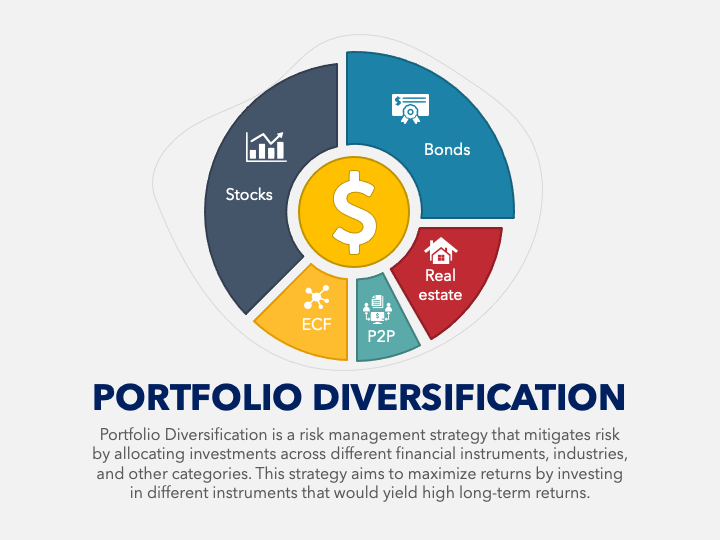
Diversification is important because it helps to protect against the volatility of individual stocks or sectors.
If one investment performs poorly, other investments in the portfolio may offset the losses.
Additionally, diversification allows investors to take advantage of different market trends and opportunities.To diversify a portfolio, investors can allocate their investments across different asset classes, such as stocks, bonds, and real estate.
Within each asset class, they can further diversify by investing in different sectors or industries. For example, instead of investing in just one technology company, investors can spread their investments across multiple technology companies.
Long-term Investment Strategy
A long-term investment strategy involves buying and holding investments for an extended period, typically five years or more. This strategy is based on the belief that over the long term, the share market tends to generate positive returns. By taking a long-term approach, investors can benefit from compounding returns and potentially achieve their financial goals.
There are different long-term investment strategies that investors can consider. One strategy is to invest in index funds or exchange-traded funds (ETFs) that track a broad market index, such as the S&P 500. These funds provide exposure to a diversified portfolio of stocks and are a cost-effective way to gain exposure to the share market.
Another long-term investment strategy is value investing, which involves identifying undervalued stocks and holding them until their true value is recognized by the market. Value investors look for companies with strong fundamentals, such as low price-to-earnings ratios and high dividend yields.
To create a long-term investment plan, investors should define their financial goals, assess their risk tolerance, and determine their time horizon. They should also regularly review and rebalance their portfolio to ensure it remains aligned with their investment objectives.

Risk Management Techniques
Risk management is an essential aspect of investing in the share market. It involves identifying and assessing risks and implementing strategies to mitigate them. By effectively managing risk, investors can protect their capital and potentially enhance their returns.
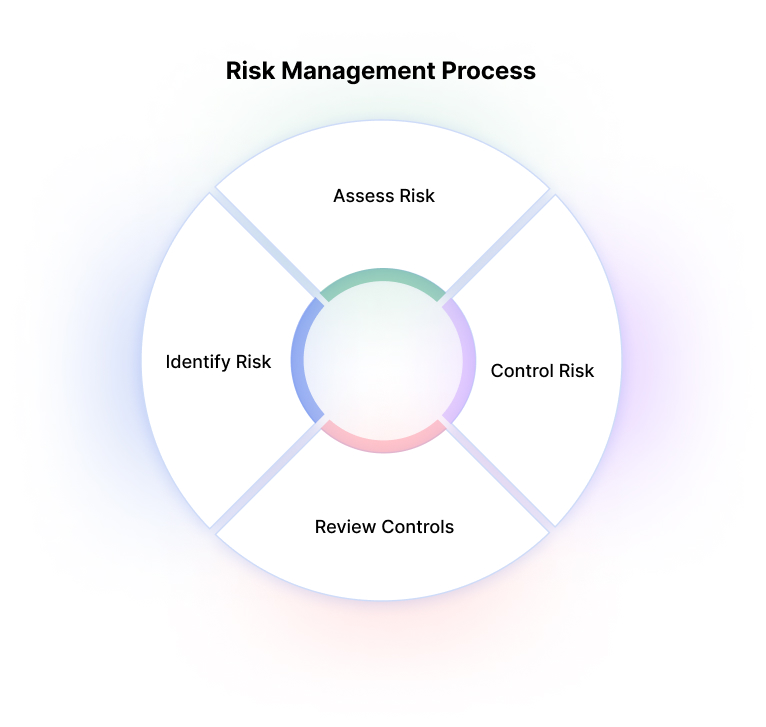
There are different risk management techniques that investors can use. One technique is diversification, as mentioned earlier. By spreading investments across different asset classes and sectors, investors can reduce the impact of any single investment on their portfolio.
Another risk management technique is setting stop-loss orders. A stop-loss order is an instruction to sell a security if it reaches a certain price. This helps to limit potential losses and protect against market downturns.
Additionally, investors can use hedging strategies to manage risk. Hedging involves taking offsetting positions in different securities or asset classes to reduce the impact of adverse price movements. For example, an investor who owns shares in a technology company may hedge their position by buying put options on the technology sector.
Importance of Patience and Discipline
Patience and discipline are essential qualities for successful investing in the share market. Patience is important because it allows investors to take a long-term view and avoid making impulsive decisions based on short-term market fluctuations. Discipline is important because it helps investors stick to their investment plan and avoid emotional decision-making.

To develop patience, investors should focus on their long-term goals and avoid getting caught up in short-term market noise. They should also avoid trying to time the market, as this is notoriously difficult and can lead to poor investment decisions.
To develop discipline, investors should create an investment plan and stick to it. This plan should outline their investment objectives, asset allocation strategy, and risk tolerance. By following their plan and avoiding impulsive decisions, investors can increase their chances of achieving their financial goals.
Learning from Mistakes
Mistakes are an inevitable part of investing in the share market. However, it's important to learn from these mistakes and use them as opportunities for growth and improvement. By analyzing past mistakes, investors can identify areas for improvement and make better investment decisions in the future.
Common mistakes in the share market include chasing hot stocks, failing to diversify, and letting emotions drive investment decisions. Chasing hot stocks involves buying shares in companies that have recently experienced significant price increases, often driven by hype or speculation. This can lead to buying at inflated prices and suffering losses when the hype fades.
To learn from mistakes, investors should review their investment decisions and identify any patterns or recurring errors. They should also seek feedback from experienced investors or professionals and learn from their experiences. By continuously learning and improving, investors can increase their chances of success in the share market.

Staying Updated with Market Trends
Staying updated with market trends is crucial for successful investing in the share market. Market trends can provide valuable insights into the direction of the market and specific sectors or industries. By staying informed, investors can make more informed investment decisions and potentially capitalize on emerging opportunities.

There are different ways to stay updated with market trends. One way is to regularly read financial news websites and publications that cover the share market. These sources provide up-to-date information on market trends, company news, and economic developments.
Another way to stay updated is to follow influential investors and analysts on social media platforms. Many experienced investors and analysts share their insights and opinions on platforms like Twitter and LinkedIn, providing valuable information for investors.
Investors can also use technical analysis tools and indicators to identify market trends. These tools use historical price data to predict future price movements and can help investors make more informed trading decisions.
Seeking Professional Advice
While individual investors can successfully navigate the share market on their own, there are times when seeking professional advice is beneficial. Professional advisors can provide expertise, guidance, and personalized investment recommendations based on an investor's goals and risk tolerance.

There are different types of professionals that investors can seek advice from. Financial advisors are licensed professionals who provide comprehensive financial planning services, including investment advice. They can help investors develop a personalized investment plan, assess their risk tolerance, and recommend suitable investment products.
Another type of professional to seek advice from is a stockbroker. Stockbrokers are licensed professionals who specialize in buying and selling shares on behalf of clients. They can provide insights into specific stocks or sectors and execute trades on behalf of investors.
To find a reliable professional, investors should consider their qualifications, experience, and track record. They should also ask for referrals from friends or colleagues and read reviews or testimonials from other clients. It’s important to choose a professional who aligns with your investment goals and values.
Action Items:
- Conduct thorough research and analysis before investing in the share market to make informed decisions.
- Choose the right broker by considering fees, services offered, and types of brokers available.
- Diversify your portfolio across different asset classes, sectors, and geographies for risk management.
- Develop a long-term investment strategy based on financial goals, risk tolerance, and time horizon.
- Implement risk management techniques such as diversification, setting stop-loss orders, and hedging strategies.
- Practice patience and discipline to avoid impulsive decisions and stick to your investment plan.
- Learn from past mistakes by analyzing investment decisions and seeking feedback from experienced investors.
- Stay updated with market trends through financial news websites, social media, and technical analysis tools.
- Consider seeking professional advice from financial advisors or stockbrokers for personalized recommendations.
- Follow equityx.in, including conducting research, diversifying your portfolio, setting realistic goals, and investing for the long term.
To-do List:
- Research companies and conduct fundamental analysis.
- Compare fees and services of different brokers to choose the right one.
- Diversify investments across asset classes, sectors, and geographies.
- Define financial goals, assess risk tolerance, and create a long-term investment plan.
- Set stop-loss orders and consider hedging strategies for risk management.
- Stick to your investment plan, avoid emotional decisions, and review your portfolio regularly.
- Analyze past mistakes, seek feedback, and continuously learn and improve.
- Stay updated with market trends through various sources and tools.
- Seek advice from financial advisors or stockbrokers if needed for personalized recommendations.
- Follow Equityx.in to start investing wisely.
FAQs (Frequently Asked Questions)
What are share market tips for beginners?
Share market tips for beginners include researching companies before investing, diversifying your portfolio, setting realistic goals, and investing for the long term. It is also important to stay up-to-date with market news and trends.
How do I start investing in the share market?
To start investing in the share market, you will need to open a brokerage account with a reputable broker. You will then need to fund your account and begin researching companies to invest in.
What is diversification?
Diversification is the practice of spreading your investments across different companies and industries to reduce risk. By diversifying your portfolio, you can minimize the impact of any one company or industry on your overall investment returns.
What are realistic goals for investing in the share market?
Realistic goals for investing in the share market include achieving long-term growth, generating passive income, and building wealth over time. It is important to set achievable goals and to have a clear investment strategy in place.
What are some common mistakes to avoid when investing in the share market?
Common mistakes to avoid when investing in the share market include investing based on emotions, failing to diversify your portfolio, and not doing enough research before investing. It is also important to avoid trying to time the market and to have a long-term investment horizon.