

How To Become A Professional Trader In The Stock Market?
A professional trader is a person who works in finance and is engaged in investing as a business or in a full-time role rather than occasionally or as a hobby. They may work for themselves, at a trading company, at a wealth management firm, or as a freelance trader for individual clients. The typical job duties in each of these environments can be similar, but the education and experience requirements to get them varies.
WHAT IS THE STOCK MARKET?
The stock market is where investors go to buy and sell investments. The most common type of investment traded on the stock market is stocks, which are shares of ownership in a public company.The stock market is a place where people can buy and sell ownership of stocks, which are fractional ownership shares in a company.
A well-functioning stock market is essential for economic development, as it provides companies with the ability to quickly raise capital from the public. An efficiently functioning stock market is considered critical to economic development, as it gives companies the ability to quickly access capital from the public.
Companies can raise money for their businesses by selling ownership stakes to investors in the form of shares of stock. By listing their shares for sale on the stock exchanges that make up the stock market, companies can get the capital they need to operate and expand without taking on debt. In exchange for the privilege of selling stock to the public, companies are required to disclose information and give shareholders a say in how their businesses are run.
The performances of individual stocks vary widely over time, but taken as a whole the stock market has historically rewarded investors with average annual returns of around 10%, making it one of the most reliable ways of growing your money.
Who is a Professional Trader

A professional trader is a person who works in finance and is engaged in investing as a business or in a full-time role rather than occasionally or as a hobby. They may work for themselves, at a trading company, at a wealth management firm, or as a freelance trader for individual clients. The typical job duties in each of these environments can be similar, but the education and experience requirements to get them varies. A professional trader does not mean one who has more trading screens, better equipment, or fancier indicators. A professional trader is defined by his mentality and approach to trading as well as how he manages his trading routine on a day-to-day basis. Professional traders have specific principles that they follow which separates them from amateur traders.
WHAT DO PROFESSIONAL TRADERS DO?
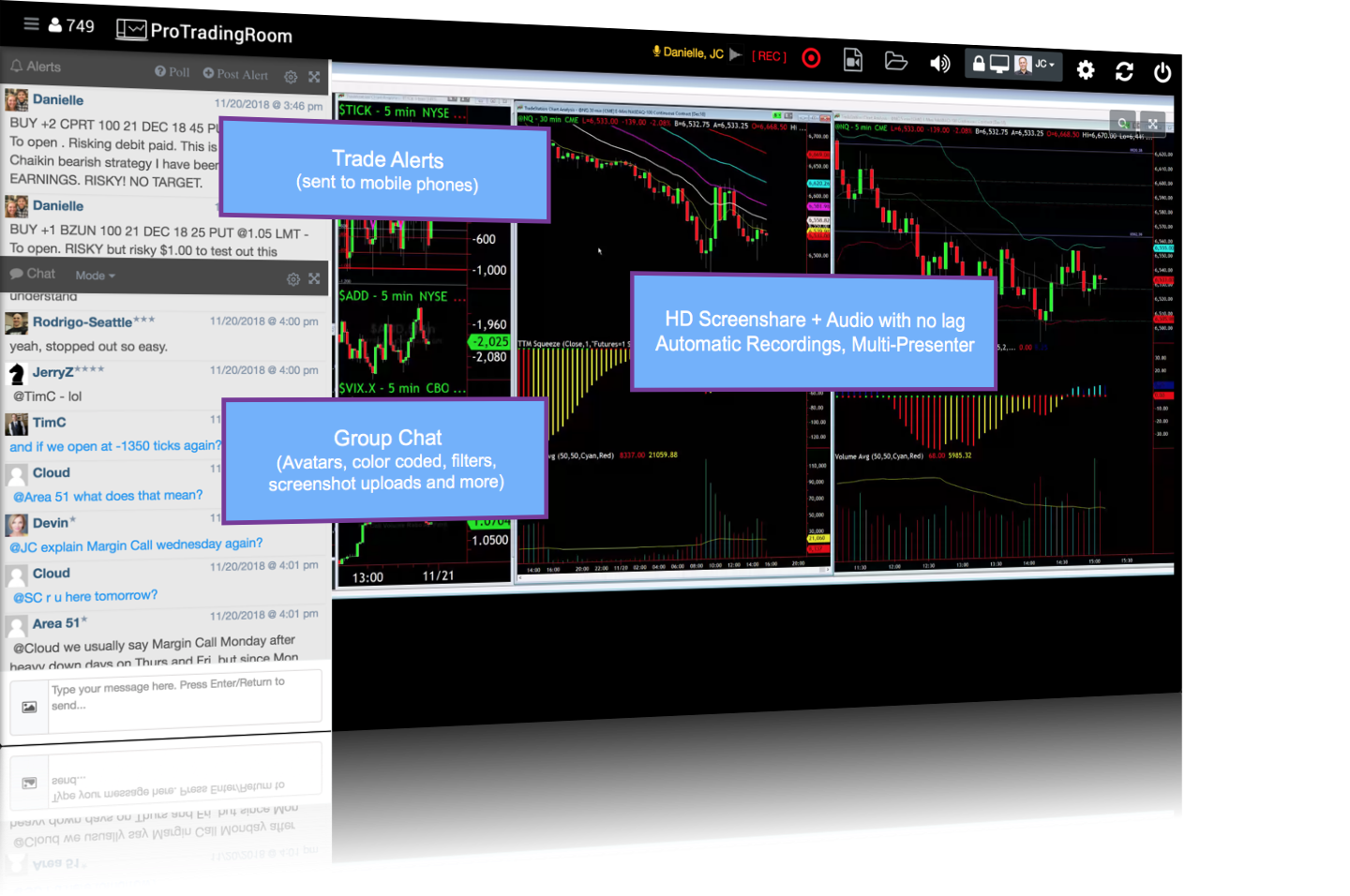
A professional trader buys and sells investment products with the goal of making a profit. For example, a trader may purchase a particular stock for two dollars per share and sell it when it’s worth five dollars per share to make a profit. Working in this business may involve duties such as analyzing markets, developing strategies, logging and reviewing individual trades, and building relationships with other professionals in the industry. A stock trader is a professional who buys and sells stocks. They might work independently or for a firm. Stock traders, also known as financial advisors, use their expertise and market knowledge to buy and sell securities on behalf of their clients.
HOW TO BECOME A PROFESSIONAL TRADER?
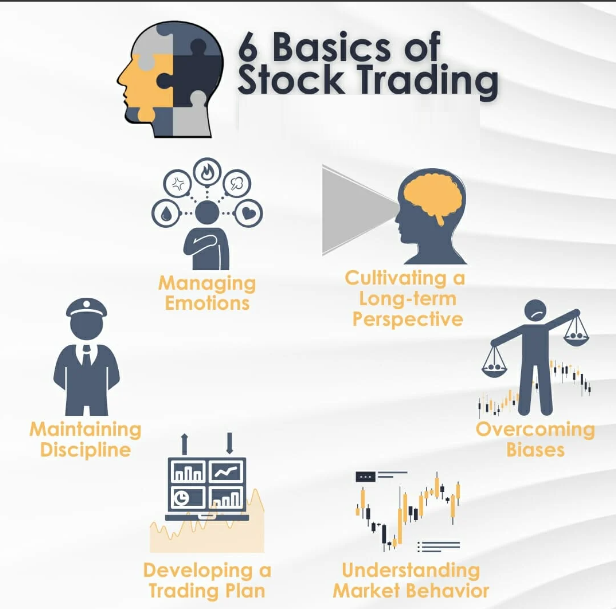
Trading in the Stock market is not easy, If we want to make a profit in the stock market, so we have to become professional traders. Here are some points that help you to become a professional trader.
LEARN THE BASICS OF TRADING
One of the most efficient methods for learning to trade is learning the market and trading basics. A solid understanding of the basics provides the foundation that will support your entire career. This first level of knowledge is required before more advanced trading information can be successfully implemented. Trading basics may include:
- The amount of capital required to trade effectively
- What markets to trade
- How prices move (bid and ask prices)
- Information about bidding and asking prices
- Order types and how to place them
- Risk management practices
- How to monitor trading performance
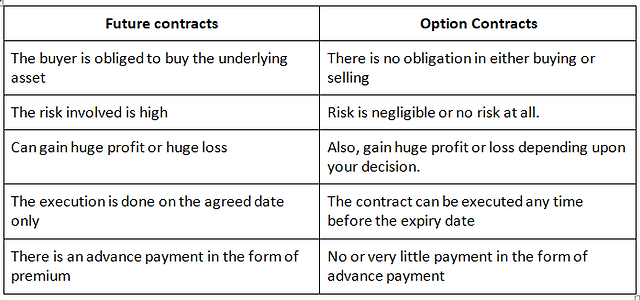
- Futures: A futures contract is an agreement between two parties to buy or sell an asset at a predetermined price at a specified time in the future. Futures contracts are used to hedge against price changes in the underlying asset, providing protection against unforeseen events that could cause losses. The asset can be a commodity, such as gold or oil, or a security, such as a stock index.
- Options: An options contract is an agreement between two parties to facilitate a potential transaction involving an asset at a preset price and date.
- Stocks: A stock is a general term used to describe the ownership certificates of any company.
Learn the advance technique of trading
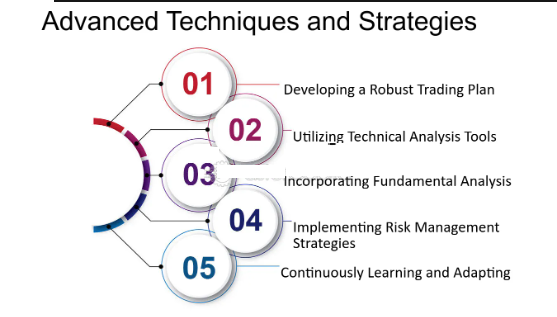
When learning the basics, traders determine if they want to trade stocks, futures, options, or forex trading. Upon making this choice, they can then delve deeper into the trading basics specific to that market.Advanced strategies can open up a world of possibilities for investors, giving them the ability to trade on stocks using a variety of methods. By understanding options Greeks, ticks, points, and other aspects of trading, investors can make better decisions and get more out of their investments. Additionally, familiarity with short selling, dividends, pip values, and pre-market trading strategies can give investors an edge in the market. Some options include:
GAIN SOME TRADING EXPERIENCE
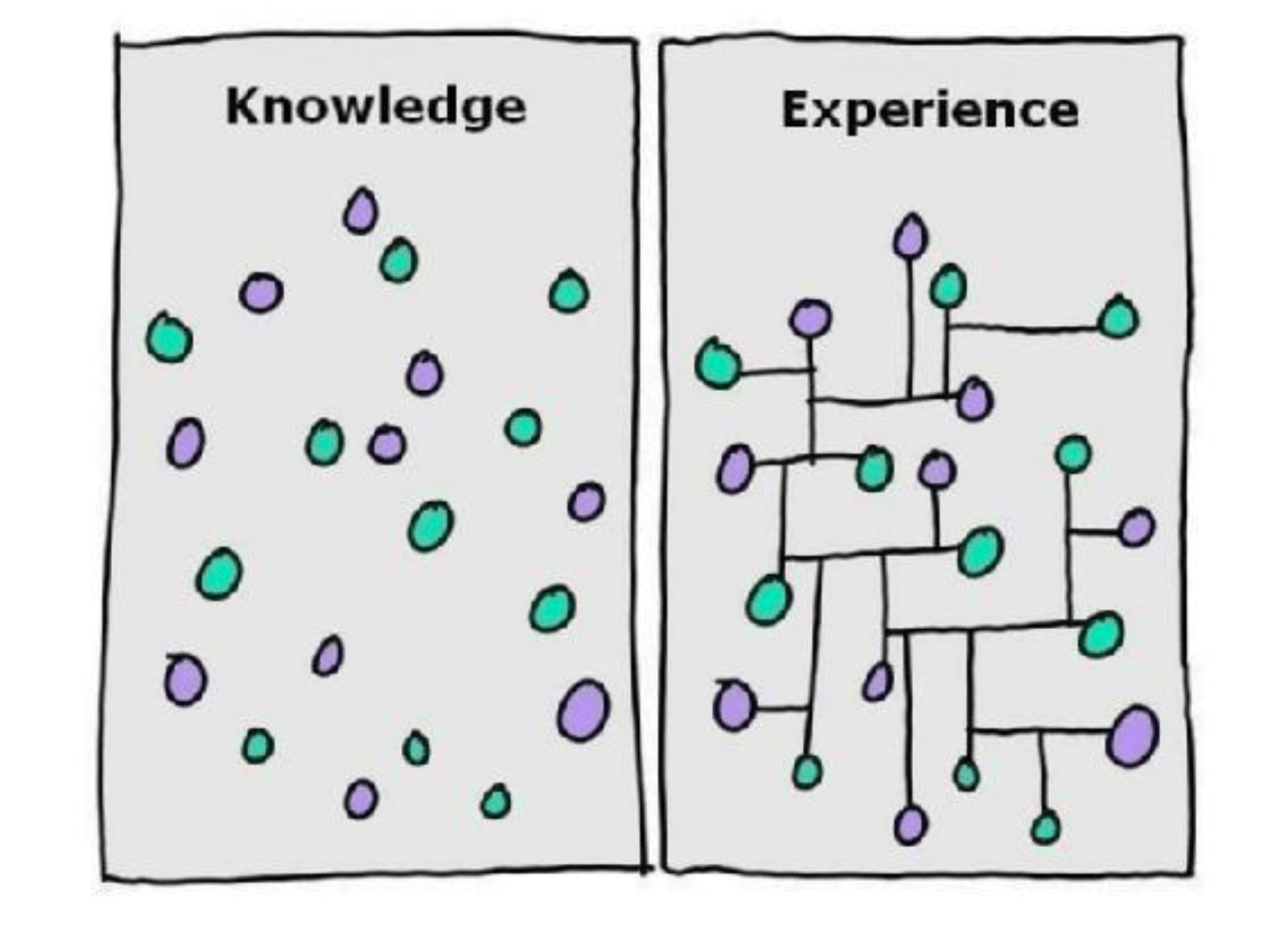
Making trades within a real market may help you make improvements to your theoretical techniques. The goal when putting a new system into practice isn’t to win every trade or be perfect, but to be profitable and consistent. By using your strategies to make your first trades, you can test and revise your theories to work as expected over time. You don’t need to win every trade to produce a good living. What is required, though, is implementing your method nearly perfectly. This is within your control, while results are not. If you do the right thing, favorable results are more likely. Doing the right thing is following the methods you have learned and opted to use.
TAKING MENTORSHIP
If you want to become a professional trader, the best way to do so is to find a professional mentor like us who can teach you all about trading, including the potential pitfalls you may face in the market. A lot of mentors don’t offer their students a learning management system, but we recommend joining a live mentorship where you can ask questions to your mentor in real-time and get clarification on anything you might be confused about. Technical skills can only be achieved with regular practice .
if you don’t put your knowledge into practice, it won’t be effective in the real market. It’s important to not only attend courses on stock market simulated trading, but to also put your newly learned concepts into practice on a real trading platform. Experienced traders build their plans by studying charts and analyzing whether trends are going up or down. The learning process can take months or even years.


EMOTIONAL BALANCE
To be a successful trader, you need to be able to maintain a balance between your emotions and your decisions. If you allow your emotions to get the better of you, it will lead to bad decision-making. Instead, try to control your greed, anger, and fear, so that you can make logical decisions. Additionally, professionals such as traders often meditate or do yoga in the morning to help them stay calm and focused throughout the day.
USE PAPER-TRADING FOR TRANING
May trading platforms offer a capability called paper trading. This feature allows you to practice your trade strategy in a true-to-life market environment using pretend money to simulate your gains and losses.
Though you won’t make a real profit from engaging in paper trading, you can determine which components of your strategy are solid enough to use to make real money trades. When first learning a trading method it may seem very easy.
However, once you begin to implement it, it may be harder in actuality than you had anticipated. Most traders quit at this stage and seek out another strategy. Unfortunately, these types of people rarely become successful. In this way, a trader is always learning from their experiences and trying to find better ways of performing their job.

UNDERSTAND RISK MANAGEMENT
Risk management is a process of understanding potential threats to an organization, business, or situation and creating strategies and contingency plans to avoid them. For professional traders, understanding and using risk management procedures can help determine which markets and moves are best, when to buy and sell and how to predict market trends to stay profitable in the future. One of the primary risks in trading is how much money you’re willing to lose on a single trade. You can determine this through several factors, such as how much an individual account is worth. Understanding what risks you’re comfortable talking about with your trades may help you feel more confident in your processes and allow you to make smarter decisions with your money.
TRADING SYSTEMS & TECHNIQUES
The next step is to learn strategies that will produce a profit in whatever market you want to trade. Such strategies are subjective, which means the source of the information matters. Free resources may provide generic strategies that worked at one time, but no longer work. The best method of learning a trading technique is to find a professional trader that will teach you their trading technique. Some professional traders offer websites or books highlighting their methods.
They may also provide personal mentoring, which is the most direct approach to learning how to trade. Many professional traders develop their own trading methods by continually studying charts, noticing certain patterns or tendencies, and then developing a system that exploits those tendencies. This may take months or even years of testing before the trader finds a viable method that produces profits consistently.

CONSIDER EARNING A DEGREE
Though you don’t need a college degree to become a professional trader with your own finances, if you choose to become one for a company or if you provide freelance services to clients for commission, consider earning one to increase your credentials. A bachelor’s degree in areas such as finance, accounting, business administration, or economics may help you learn valuable trading skills like math, logic, and problem-solving. Most bachelor’s degree programs take a minimum of four years to complete.
REVIEW YOUR TRADES
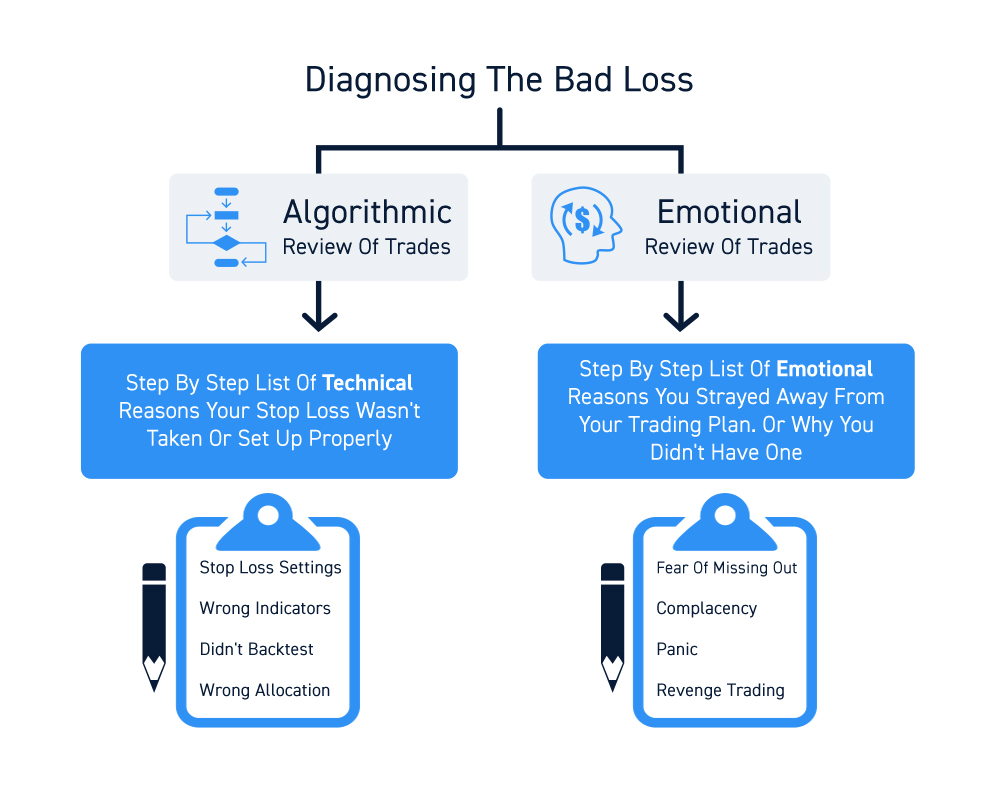
Periodically review your trades to identify patterns of success in your strategy. Look for areas where you’re doing well and understand why they’re working. See if you can apply those strategies or methods to areas in need of improvement across your portfolio. Trading isn’t the time to reflect on your trade setups or to consider changing your stop losses and profit targets. It’s the post-trade analysis, when you’re not in performance mode, and when your view isn’t colored by the emotions of the trade. It’s not enough just to look at your trades and marvel at the greatness of that runner you caught, or repeat some trading psychology quotes when examining your trading mistakes. Just like placing and managing trades, you should have a thought-out process for reviewing trades.

Free Registration for Stock Market Tips ( Advisory Services)


As per the SEBI rules, we will provide our Services only to those clients who have Complete Risk Profile. Fill This Registration Form and
Contact us on
- Whatsapp @ +91 95999 69624
- Call Us @ +91 82 7799 7560
for further process.
Risk Profiling is COMPULSORY
Stock Market Analysis and Predictions for 2025 Current Market Conditions The stock market is very volatile right now, causing worry among …
Popcorn Tax: Effects the Indian Economy The government of India has recently made the decision to increase the Goods and Services Tax …
Summary of India’s GDP Data Key Data Release An important GDP data release was scheduled post-market closure on November 29. This data …
Nifty Stock Market Analysis by EquityX 25-11-2024 Final Closing Details Nifty Closing Level: 23970 Friday’s Closing Gain: Nifty surged by 557 points. …
The Impact of Liquidity on Intraday Trading Strategies for Maximizing Returns Intraday trading, also known as day trading, involves buying and selling …
Mastering Intraday Equity Trading Top 10 Intraday Trading Tips for Success Intraday equity trading can be an exciting and profitable venture, but …
Strategies for Successful Intraday Equity Trading Intraday trading in the fast-paced world of equity markets can be both thrilling and challenging. With …
The Art of Using Stop-Loss Orders in Intraday Equity Trading Intraday equity trading can be a thrilling and potentially lucrative venture for …
Important Tools for Analyzing Intraday Equity Markets Intraday trading in equity markets can be thrilling and profitable, but it also requires a …
Share Market Tips For Beginners The share market, also known as the stock market, is a crucial component of the global financial …
What Are Macroeconomic And Market-Specific Risks Macro and Market Risks Macroeconomic and market-specific risks can significantly impact the financial performance of businesses …
What Are Risk Management Strategies In Stock Portfolio Risk Management Strategies: In the context of stock portfolio management, risk management refers to the process …
What Are Financial And Business Risks In Stock Investments Interesting Fact: financial and business risks are inherent in stock investments, and understanding …
Risk Assessment Not All Risks Are Equal? When it comes to investing in the Indian stock market, understanding and assessing risk is …
What Are Regulatory And Geopolitical Factors Influencing Stock Investments Regulatory Factors in Stock Investments Regulatory factors play a crucial role in influencing …
What Are Industry Trends And Competitive Positioning Of Companies Industry Trends and Competitive Positioning Analyzing industry trends and competitive positioning is crucial …
Assessing Management Quality And Corporate Governance Practices Interesting Fact: The quality of management and corporate governance practices can significantly impact a company’s …
Qualitative Analysis Companies Have Personalities? Just like people, every company has its own personality, which can be understood through Qualitative Analysis. This type …
What Is Price-To-Book (P/B) Ratio And How It Can Help In Evaluating Stock The Price-to-Book (P/B) Ratio The P/B ratio is a …
The Price-To-Earnings (P/E) Ratio And Its Significance In Stock The price-to-earnings (P/E) ratio and its significance in stock analysis The P/E ratio …
Discounted Cash Flow (DCF) Analysis And Its Application In Stock Valuation Discounted Cash Flow (DCF) Analysis Discounted Cash Flow (DCF) analysis is …
Valuation Techniques True Worth of a Company? Valuing a company is both an art and a science. Investors around the world use …
What are Undervalued And Overvalued Stocks Based On Fundamental Analysis Fundamental Analysis fundamental analysis is a method used to evaluate the intrinsic …
What are Economic Indicators And Their Impact On Stock Prices The stock market is influenced by a wide range of economic indicators? …
Financial Statement Analysis: Balance Sheet, Income Statement, And Cash Flow The balance sheet, income statement, and cash flow statement are the three …
Technical Analysis Indicators To Make Informed Investment Decisions Technical Analysis Indicators Technical analysis indicators are mathematical calculations based on historical price, volume, …
Technical Analysis Tools For Short-Term Stock Market Investment 📈 Candlestick Patterns Candlestick patterns are a crucial part of technical analysis. These patterns provide …
Technical Analysis For Short Term Trading Charts Can Tell Stories? Investing in the stock market is not just about picking stocks at …
What Are The Impact Of Market Trends On Stock Selection Market Trends and Their Impact on Stock Selection Market trends can significantly …