


Risk Management In Stock Market
We all know that the stock market is a high-risk platform for trading. If you want high returns, you have to take the risk. High risk gives you the potential for high return and maximum profit. we can't avoid risk but we manage the risk. Risk management is not easy. It is a big challenge for everyone even the experienced investors. So now, we will learn how to manage risk in the market.
WHAT IS RISK MANAGEMENT?
Risk management is the process where you identify the risk or problem and try to save yourself. This complete process depends on a risk management strategy. That first, you have to understand about Market Risks then you have to prevent yourself. Let's understand the Risk management strategies that can help us in the stock market.
ALWAYS PLAN TRADES
Planning is essential for trading. you have to prepare yourself before trading. First, understand the basic terms, follow the Market trends, and think where you have to invest. For example, If you decide that you are going to invest in the stock market so should understand the balance sheet annual reports of the company, also you have to understand, what things effects in interest rate, like, inflation, interest rate movements, and commodity prices. After this, you can easily make a plan.

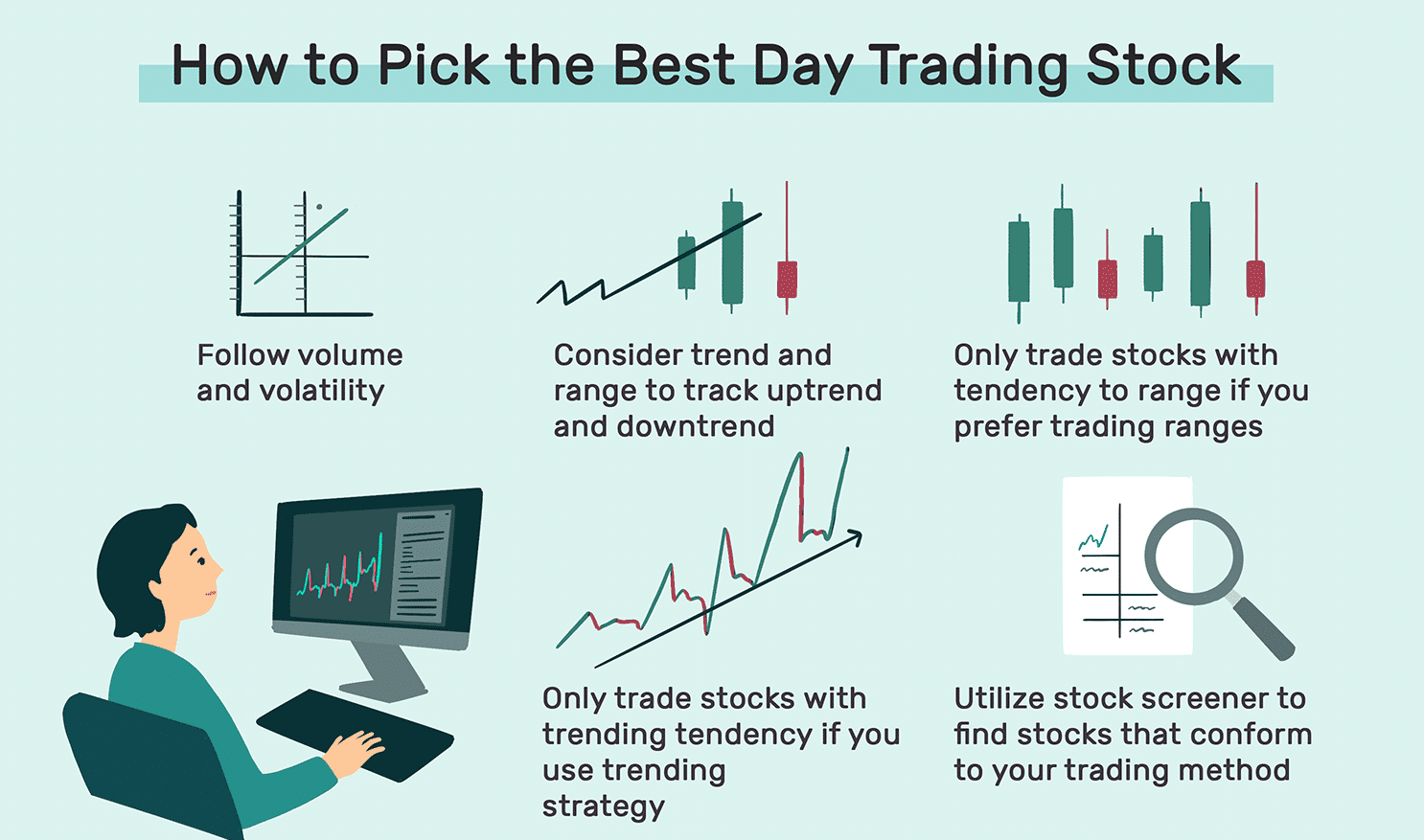
FOLLOW STOCK MARKET TREND
Following the market trends is most important for traders, because some traders think that trend against the market is profitable, but it is not. Following the market, trends help you to decide whether you have to invest or not. We know that the stock market changes day too, day, it is very dynamic. If we follow trends that help to mitigate investment risk.
PORTFOLIO DIVERSIFICATION
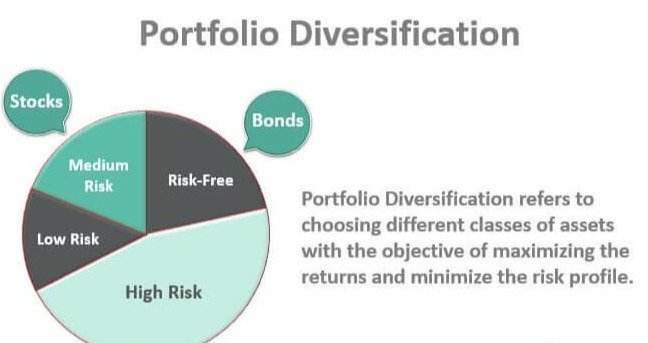
This is the very best way to manage risk, Investors can buy different types of stocks like equities, bonds, mutual funds, and derivatives. Investors can make diverse portfolios if one company or stock is not profitable and does not give good returns, In this condition, they have other financial products. These diverse portfolios help the investors to give maximum profit and minimize losses
STOP-LOSS AND TAKE-PROFIT POINT
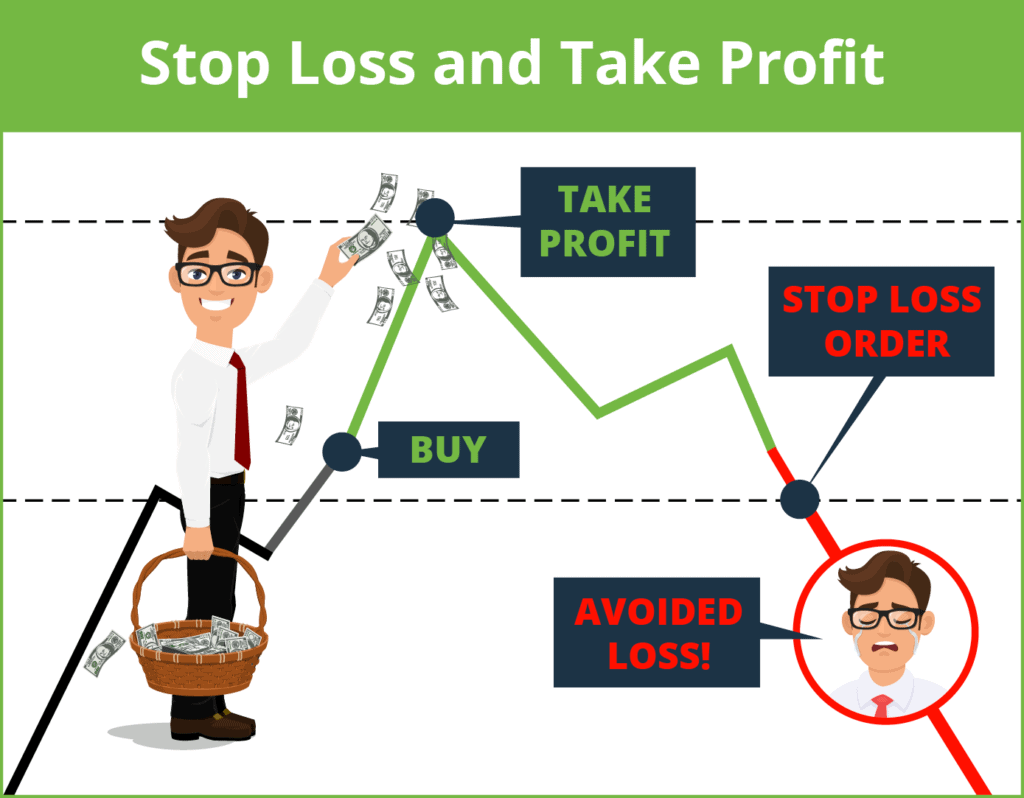
The successful investor should have the capacity to access the risk takin and determine open and close positions. First, understand what is stop-loss and take-profit.
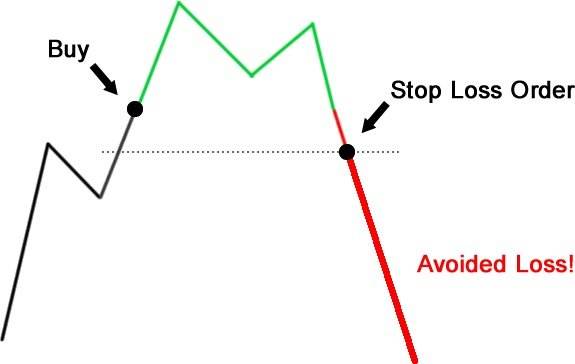
STOP-LOSS:- Stop loss is the lowest point where a trader wants to sell his stocks. Stop loss helps the trader to minimize loss.
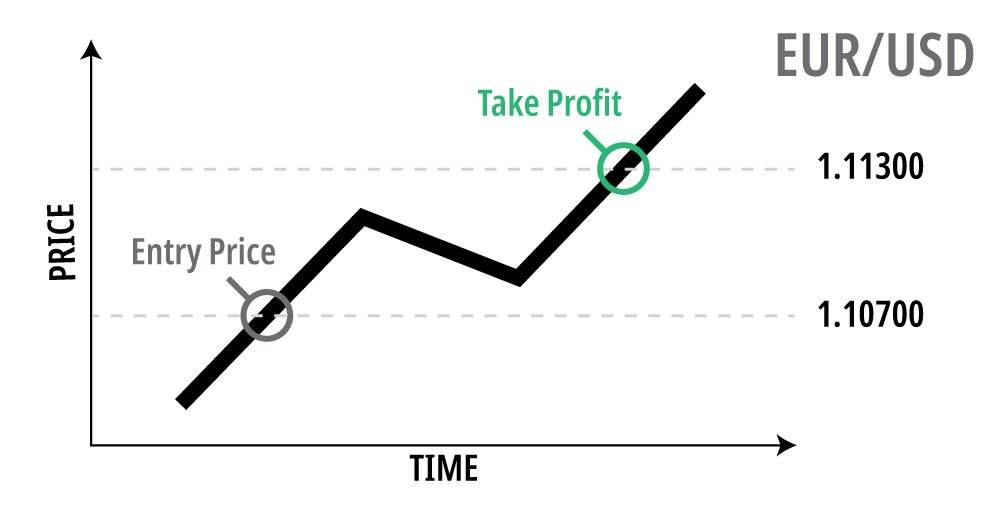
TAKE-PROFIT:- Take-profit is the highest point where a trader wants to sell and book profit.

These risk management practices help you to maximize profit and prevent many risks, but if you want to complete success in trading so you have to learn new things daily. In this market, you should have proper knowledge and experience. you have to become an active trader that you easily understand the risk profile and prevent yourself.
INVEST SMALL CAPITAL
This point is very important for all traders specially for beginners that should not invest all their capital in a single trade. For example, if you have 10000, so you should invest in 100 in one trade. This strategy prevents you from a big loss in trading.


Free Registration for Stock Market Tips ( Advisory Services)


As per the SEBI rules, we will provide our Services only to those clients who have Complete Risk Profile. Fill This Registration Form and
Contact us on
- Whatsapp @ +91 95999 69624
- Call Us @ +91 82 7799 7560
for further process.
Risk Profiling is COMPULSORY
Stock Market Analysis and Predictions for 2025 Current Market Conditions The stock market is very volatile right now, causing worry among …
Popcorn Tax: Effects the Indian Economy The government of India has recently made the decision to increase the Goods and Services Tax …
Summary of India’s GDP Data Key Data Release An important GDP data release was scheduled post-market closure on November 29. This data …
Nifty Stock Market Analysis by EquityX 25-11-2024 Final Closing Details Nifty Closing Level: 23970 Friday’s Closing Gain: Nifty surged by 557 points. …
The Impact of Liquidity on Intraday Trading Strategies for Maximizing Returns Intraday trading, also known as day trading, involves buying and selling …
Mastering Intraday Equity Trading Top 10 Intraday Trading Tips for Success Intraday equity trading can be an exciting and profitable venture, but …
Strategies for Successful Intraday Equity Trading Intraday trading in the fast-paced world of equity markets can be both thrilling and challenging. With …
The Art of Using Stop-Loss Orders in Intraday Equity Trading Intraday equity trading can be a thrilling and potentially lucrative venture for …
Important Tools for Analyzing Intraday Equity Markets Intraday trading in equity markets can be thrilling and profitable, but it also requires a …
Share Market Tips For Beginners The share market, also known as the stock market, is a crucial component of the global financial …
What Are Macroeconomic And Market-Specific Risks Macro and Market Risks Macroeconomic and market-specific risks can significantly impact the financial performance of businesses …
What Are Risk Management Strategies In Stock Portfolio Risk Management Strategies: In the context of stock portfolio management, risk management refers to the process …
What Are Financial And Business Risks In Stock Investments Interesting Fact: financial and business risks are inherent in stock investments, and understanding …
Risk Assessment Not All Risks Are Equal? When it comes to investing in the Indian stock market, understanding and assessing risk is …
What Are Regulatory And Geopolitical Factors Influencing Stock Investments Regulatory Factors in Stock Investments Regulatory factors play a crucial role in influencing …
What Are Industry Trends And Competitive Positioning Of Companies Industry Trends and Competitive Positioning Analyzing industry trends and competitive positioning is crucial …
Assessing Management Quality And Corporate Governance Practices Interesting Fact: The quality of management and corporate governance practices can significantly impact a company’s …
Qualitative Analysis Companies Have Personalities? Just like people, every company has its own personality, which can be understood through Qualitative Analysis. This type …
What Is Price-To-Book (P/B) Ratio And How It Can Help In Evaluating Stock The Price-to-Book (P/B) Ratio The P/B ratio is a …
The Price-To-Earnings (P/E) Ratio And Its Significance In Stock The price-to-earnings (P/E) ratio and its significance in stock analysis The P/E ratio …
Discounted Cash Flow (DCF) Analysis And Its Application In Stock Valuation Discounted Cash Flow (DCF) Analysis Discounted Cash Flow (DCF) analysis is …
Valuation Techniques True Worth of a Company? Valuing a company is both an art and a science. Investors around the world use …
What are Undervalued And Overvalued Stocks Based On Fundamental Analysis Fundamental Analysis fundamental analysis is a method used to evaluate the intrinsic …
What are Economic Indicators And Their Impact On Stock Prices The stock market is influenced by a wide range of economic indicators? …
Financial Statement Analysis: Balance Sheet, Income Statement, And Cash Flow The balance sheet, income statement, and cash flow statement are the three …
Technical Analysis Indicators To Make Informed Investment Decisions Technical Analysis Indicators Technical analysis indicators are mathematical calculations based on historical price, volume, …
Technical Analysis Tools For Short-Term Stock Market Investment 📈 Candlestick Patterns Candlestick patterns are a crucial part of technical analysis. These patterns provide …
Technical Analysis For Short Term Trading Charts Can Tell Stories? Investing in the stock market is not just about picking stocks at …
What Are The Impact Of Market Trends On Stock Selection Market Trends and Their Impact on Stock Selection Market trends can significantly …