
Risk Management Strategies:

In the context of stock portfolio management, risk management refers to the process of identifying, assessing, and prioritizing risks in order to minimize, monitor, and control the impact of these risks on investment portfolios. This involves the implementation of various strategies to mitigate potential losses and optimize returns.
# Example:
# Calculating the Value at Risk (VaR) using historical simulation or Monte Carlo simulation to assess the potential loss in a stock portfolio.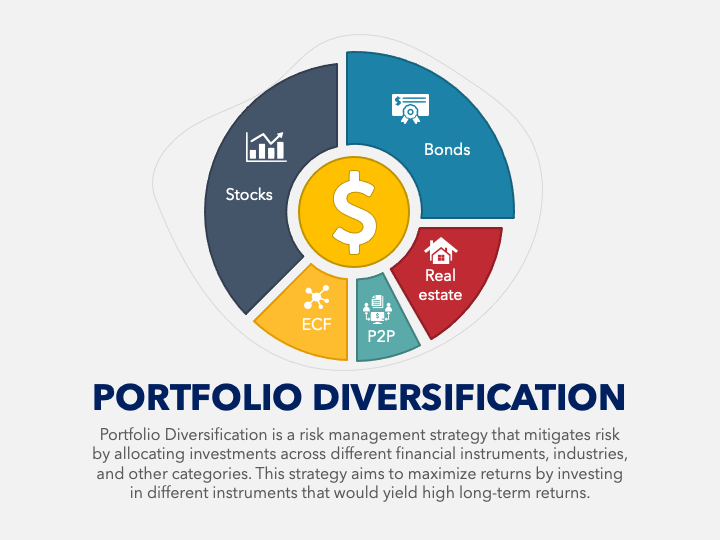
One of the fundamental risk management strategies in stock portfolio management is diversification. Diversifying a portfolio across different asset classes, industries, and geographical regions can help reduce the overall risk by spreading exposure to various market conditions and economic factors.
# Example:
# Allocating investments across equities, fixed income securities, commodities, and real estate to achieve a balanced and diversified portfolio.
Risk Assessment and Quantitative Analysis:
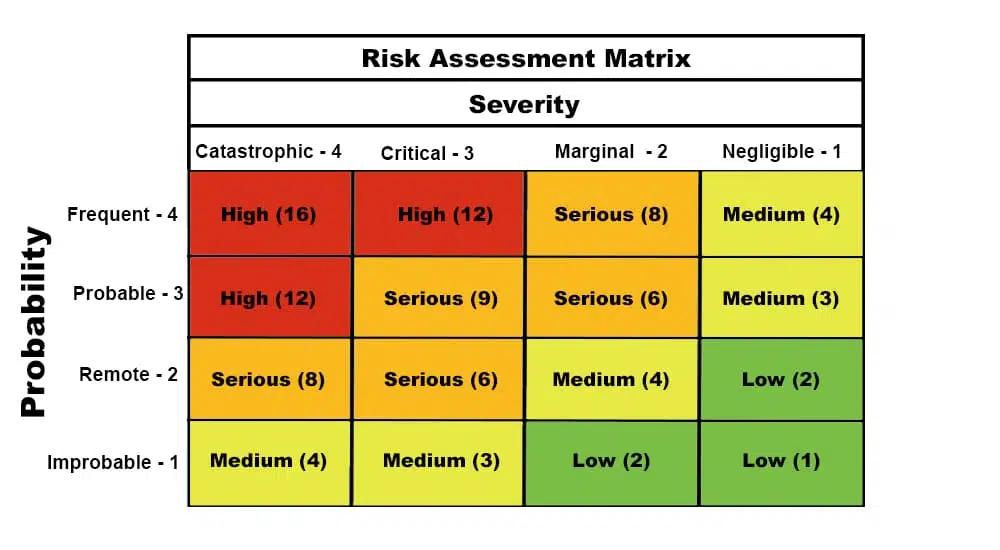
Risk assessment involves the quantitative analysis of various risk factors, such as volatility, correlation, and market liquidity. Advanced statistical models and mathematical techniques, such as the Capital Asset Pricing Model (CAPM) and the Black-Litterman model, are used to assess and quantify the potential risks associated with stock investments.
# Example:
# Using the Sharpe ratio to evaluate the risk-adjusted return of a stock portfolio and compare it with benchmark indices.
Hedging and Derivatives:
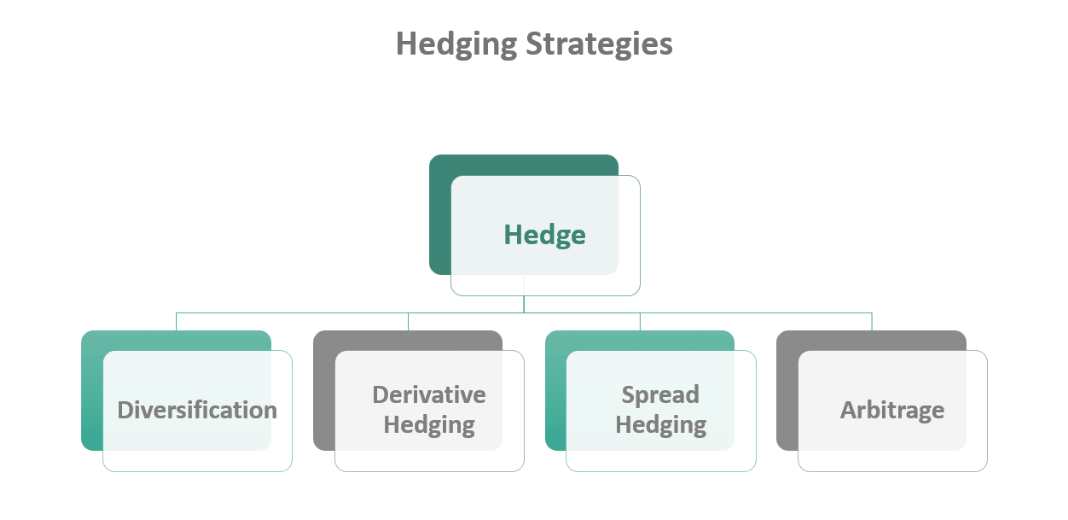
Incorporating hedging strategies using derivatives, such as options and futures, can be an advanced risk management approach for stock portfolios. These instruments can be utilized to protect against downside risk, manage volatility, and enhance overall portfolio performance.
# Example:
# Implementing a put option strategy to hedge against potential downside risk in a stock portfolio during periods of market uncertainty.
Behavioral Finance and Risk Perception:
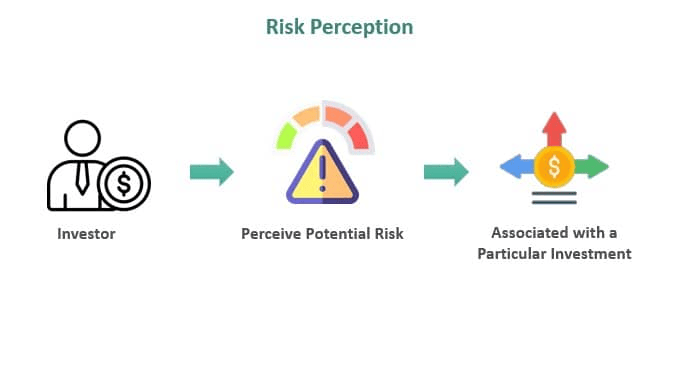 The principles of behavioral finance is crucial in risk management, as investor behavior and risk perception can significantly impact portfolio performance. Behavioral biases, such as loss aversion and herding behavior, should be considered when formulating risk management strategies.
# Example:
# Incorporating sentiment analysis of market news and social media data to gauge investor sentiment and identify potential risk factors affecting stock prices.
Stress Testing and Scenario Analysis:

Conducting stress testing and scenario analysis is an essential aspect of risk management for stock portfolios. By simulating extreme market conditions and hypothetical scenarios, portfolio managers can evaluate the resilience of their investments and identify potential vulnerabilities.
# Example:
# Performing scenario analysis to assess the impact of geopolitical events or economic downturns on the performance of a stock portfolio.
Risk Monitoring and Compliance:

Implementing robust risk monitoring processes and ensuring compliance with regulatory requirements are integral to effective risk management in stock portfolio management. Utilizing advanced risk management software and analytics tools can facilitate real-time monitoring and reporting of portfolio risks.
# Example:
# Utilizing a risk management platform with integrated compliance monitoring to track and report on portfolio risk metrics, such as Value at Risk (VaR) and tracking error.
Implementing effective risk management strategies in stock portfolio management requires a comprehensive understanding of quantitative analysis, diversification, behavioral finance, and regulatory compliance. By integrating advanced risk assessment techniques and leveraging sophisticated hedging strategies, portfolio managers can optimize risk-return trade-offs and enhance the resilience of their investment portfolios.
# Example:
# Developing a dynamic asset allocation strategy based on risk factor models and stress testing results to adapt to changing market conditions and mitigate potential risks.
Short step-by-step plan:
Identify risk factors: Review the historical volatility, beta, and fundamental indicators of each stock to determine the risk exposure. Example: Calculate the standard deviation of the stock’s returns over the past year to gauge its volatility.
Assess correlation: Analyze the correlation between the stocks in the portfolio to understand how they move in relation to each other. Example: Use statistical software to calculate the correlation coefficient between the stock pairs.
Diversify the portfolio: Allocate the portfolio across different sectors and asset classes to reduce concentration risk. Example: Allocate a portion of the portfolio to bonds or commodities to diversify away from equities.
Implement stop-loss orders: Set up stop-loss orders for each stock to limit potential losses. Example: Place a stop-loss order at 10% below the current stock price to automatically sell the stock if it reaches that level.
Consider hedging strategies: Evaluate options or futures contracts to hedge against potential downside risk. Example: Purchase put options on the stock index to protect the overall portfolio from market downturns.
Regularly monitor and adjust: Continuously monitor the risk metrics and adjust the risk management strategies as needed. Example: Rebalance the portfolio quarterly to maintain the desired risk exposure levels.