
Interesting Fact:
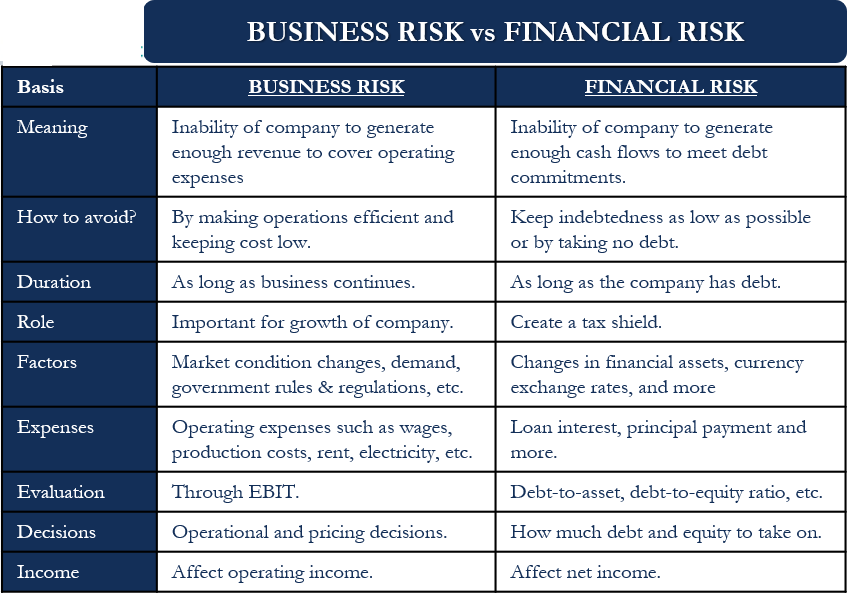
financial and business risks are inherent in stock investments, and understanding how to identify and assess these risks is crucial for successful investment decision-making?
1: Types of Financial Risks
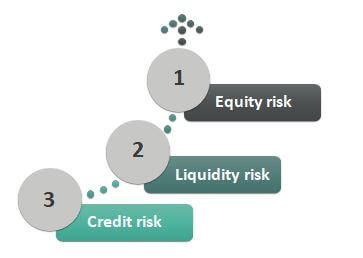
Financial risks in stock investments can be categorized into various types, including market risk, liquidity risk, credit risk, and operational risk. Market risk refers to the potential for losses due to market fluctuations, while liquidity risk pertains to the ease of buying or selling a stock without causing a significant price change. Credit risk involves the risk of a company defaulting on its debt obligations, and operational risk encompasses the risk of losses resulting from inadequate or failed internal processes, systems, or human errors.
Example:
Market Risk - A sudden drop in the stock market due to geopolitical events causing a decline in the value of a stock portfolio.
2: Analyze Business Risks

Business risks are specific to the company in which you are considering investing. These risks include industry competition, regulatory changes, technological disruptions, and management effectiveness. Understanding the business risks associated with a particular company is essential for evaluating its long-term growth potential and sustainability in the market.
Example:
Regulatory Changes - A pharmaceutical company facing potential regulatory hurdles for its new drug in the pipeline, impacting its future revenue streams.
3: Utilize Financial Ratios and Metrics
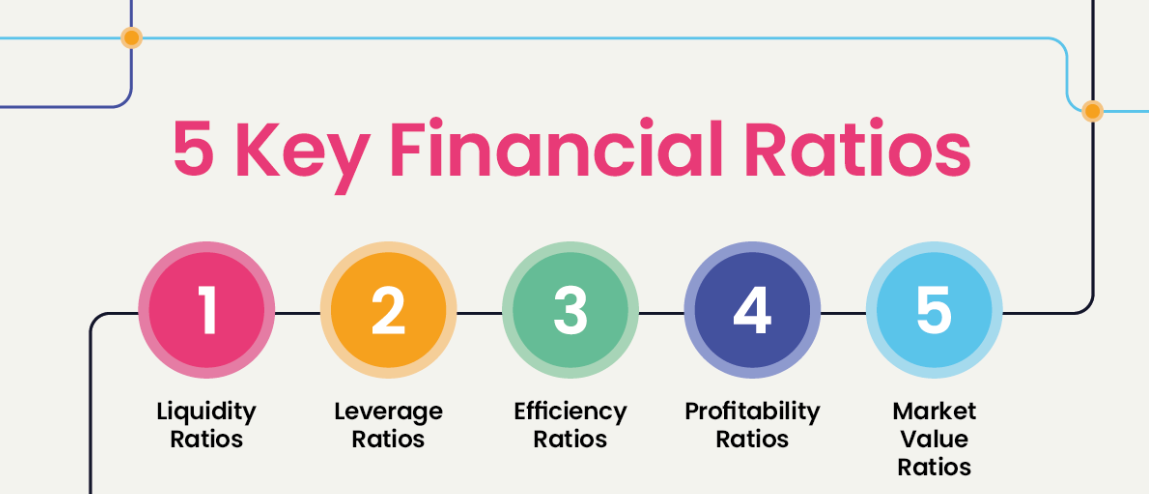
Financial ratios and metrics such as price-to-earnings (P/E) ratio, debt-to-equity ratio, return on equity (ROE), and earnings per share (EPS) can provide valuable insights into a company’s financial health and risk profile. These metrics help in assessing the company’s profitability, leverage, and overall financial stability, aiding in the identification of potential investment risks.
Example:
Debt-to-Equity Ratio - A high debt-to-equity ratio indicating that a company is heavily reliant on debt financing, posing a higher risk in the event of economic downturns.
4: Conduct Scenario Analysis and Stress Testing
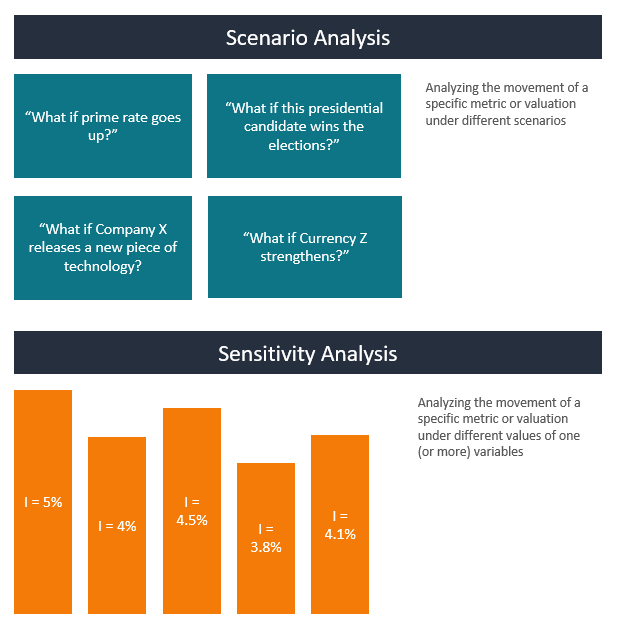
Scenario analysis involves evaluating the impact of various hypothetical scenarios on stock investments, such as changes in interest rates, commodity prices, or consumer demand. Stress testing, on the other hand, assesses the resilience of a stock portfolio to extreme and adverse market conditions. By simulating these scenarios, investors can gauge the potential risks and vulnerabilities within their investment portfolios.
Example:
Scenario Analysis - Assessing the impact of a sudden increase in raw material prices on the profitability of a manufacturing company's stock.
5: Stay Informed and Diversify

Continuously monitoring economic indicators, industry news, and company-specific developments is crucial for staying abreast of potential risks. Additionally, diversifying the investment portfolio across different asset classes, industries, and geographic regions can help mitigate specific risks associated with individual stocks, thereby reducing overall portfolio volatility.
Example:
Diversification - Spreading investments across sectors such as technology, healthcare, and consumer goods to minimize the impact of sector-specific risks on the overall portfolio.
To do: Research and analyze financial and business risks in stock investments.
Short step-by-step plan:
Gather information: Collect financial reports, news articles, and industry analyses related to the companies you are considering for investment. Example: Use financial websites like Yahoo Finance, Bloomberg, or Reuters to gather financial reports and news related to the companies.
Identify key risk factors: Look for risks such as market volatility, regulatory changes, competitive pressures, or company-specific issues that could impact the stock’s performance. Example: Analyze the company’s exposure to international markets and potential currency risks.
Assess risk impact: Evaluate the potential impact of each identified risk on the company’s financial stability and stock performance. Example: Calculate the potential financial impact of a regulatory change on the company’s revenue and profitability.
Compare with industry benchmarks: Compare the identified risks with industry benchmarks and peer companies to assess the relative risk exposure. Example: Use financial ratios and industry benchmarks to compare the company’s debt levels and liquidity risk with its competitors.
Develop risk mitigation strategies: Based on the identified risks, develop strategies to mitigate or manage the potential impact on your investment. Example: Consider diversifying your portfolio to spread risk or using options or hedging strategies to protect against market volatility.
Document findings and decisions: Keep a record of your analysis, identified risks, and the mitigation strategies considered to inform your investment decisions. Example: Create a risk assessment report outlining the identified risks, their potential impact, and the recommended actions to manage them.