


What are the Securities Ban in F&O and its effect on Indian Stock market?
Securities Ban in F&O refers to the temporary suspension of trading in specific securities in the Futures and Options (F&O) segment of the stock market. This ban is imposed by market regulators, such as the Securities and Exchange Board of India (SEBI), to maintain market integrity and protect investors’ interests. The ban is usually imposed when there is excessive speculation or manipulation in a particular security, which can lead to volatility and potential market risks.
The Concept of Securities Ban in F&O
Securities Ban in F&O is a regulatory measure that aims to control excessive speculation and manipulation in the stock market. When a security is banned, it means that investors and traders are not allowed to take new positions or trade in that particular security in the F&O segment. However, existing positions can be squared off or settled.

There are two types of Securities Ban in F&O: outright ban and ban on fresh positions. In an outright ban, all trading activities related to the security are suspended, including squaring off existing positions. This is usually imposed when there are serious concerns about the security’s fundamentals or when there is evidence of fraudulent activities.
On the other hand, a ban on fresh positions means that investors and traders cannot take new positions in the security, but they can square off their existing positions. This type of ban is imposed when there are concerns about excessive speculation or manipulation, but there is no immediate threat to the security’s fundamentals.
Factors Leading to Securities Ban in F&O
There are several reasons why Securities Ban in F&O may be imposed. One of the main reasons is excessive speculation or manipulation in a particular security. This can lead to volatility and potential market risks, which can harm investors and traders. By imposing a ban, regulators can investigate the irregularities and take necessary actions to restore market integrity.
Another factor that may lead to Securities Ban in F&O is the violation of regulatory norms or guidelines. If a security fails to comply with the listing requirements or if there are concerns about its financial health, regulators may impose a ban to protect investors’ interests.
The impact of Securities Ban on market participants can be significant. Traders who have taken positions in the banned security may face losses if they are unable to square off their positions before the ban comes into effect. This can lead to financial distress and loss of confidence in the market. On the other hand, investors who have invested in the banned security may face difficulties in exiting their positions, which can result in losses.

Impact of Securities Ban on Indian Stock Market

Securities Ban in F&O can have a significant impact on the Indian stock market. One of the immediate effects is on market indices, such as the Nifty and Sensex. When a security is banned, its weightage in the index is reduced or removed completely. This can lead to a decline in the index value, as investors react to the news and adjust their portfolios accordingly.
The ban on a particular security can also have an impact on market liquidity. When trading is suspended or restricted in a security, it becomes difficult for investors and traders to buy or sell that security. This can lead to a decrease in overall market liquidity, as participants may be hesitant to trade in other securities as well.
Effects of Securities Ban on Investors and Traders
Securities Ban in F&O can have different effects on different types of market participants. Retail investors, who are individual investors with limited resources and knowledge, may be more vulnerable to the impact of the ban. They may not have access to timely information or the ability to exit their positions quickly, which can result in losses.
Institutional investors, on the other hand, may have more resources and expertise to cope with the ban. They may have access to research reports and market intelligence that can help them make informed decisions. However, even institutional investors can be affected by the ban, as it can disrupt their trading strategies and investment portfolios.

Analysis of Securities Ban in F&O on Market Volatility

There is a close relationship between Securities Ban in F&O and market volatility. When a security is banned, it creates uncertainty and fear among market participants. This can lead to increased volatility, as investors and traders react to the news and adjust their positions accordingly.
The impact of Securities Ban on market sentiment can be significant. If investors perceive the ban as a negative signal, they may start selling other securities as well, leading to a broader decline in the market. On the other hand, if investors see the ban as a positive step towards maintaining market integrity, it can restore confidence and stabilize the market.
Strategies to Cope with Securities Ban in F&O
Both investors and traders can adopt certain strategies to cope with Securities Ban in F&O. For investors, it is important to diversify their portfolios and not rely heavily on a single security. This can help mitigate the impact of a ban on a particular security. Investors should also stay updated with regulatory announcements and market news to make informed decisions.
Traders can also adopt certain coping strategies during a ban. They can focus on other securities that are not banned and adjust their trading strategies accordingly. Traders should also closely monitor market trends and technical indicators to identify potential opportunities.
Market regulators also play a crucial role in coping with Securities Ban in F&O. They should ensure that there is timely communication and transparency regarding the ban. Regulators should also provide guidance and support to market participants, especially retail investors, to help them navigate through the ban.

Role of Regulators in Securities Ban in F&O
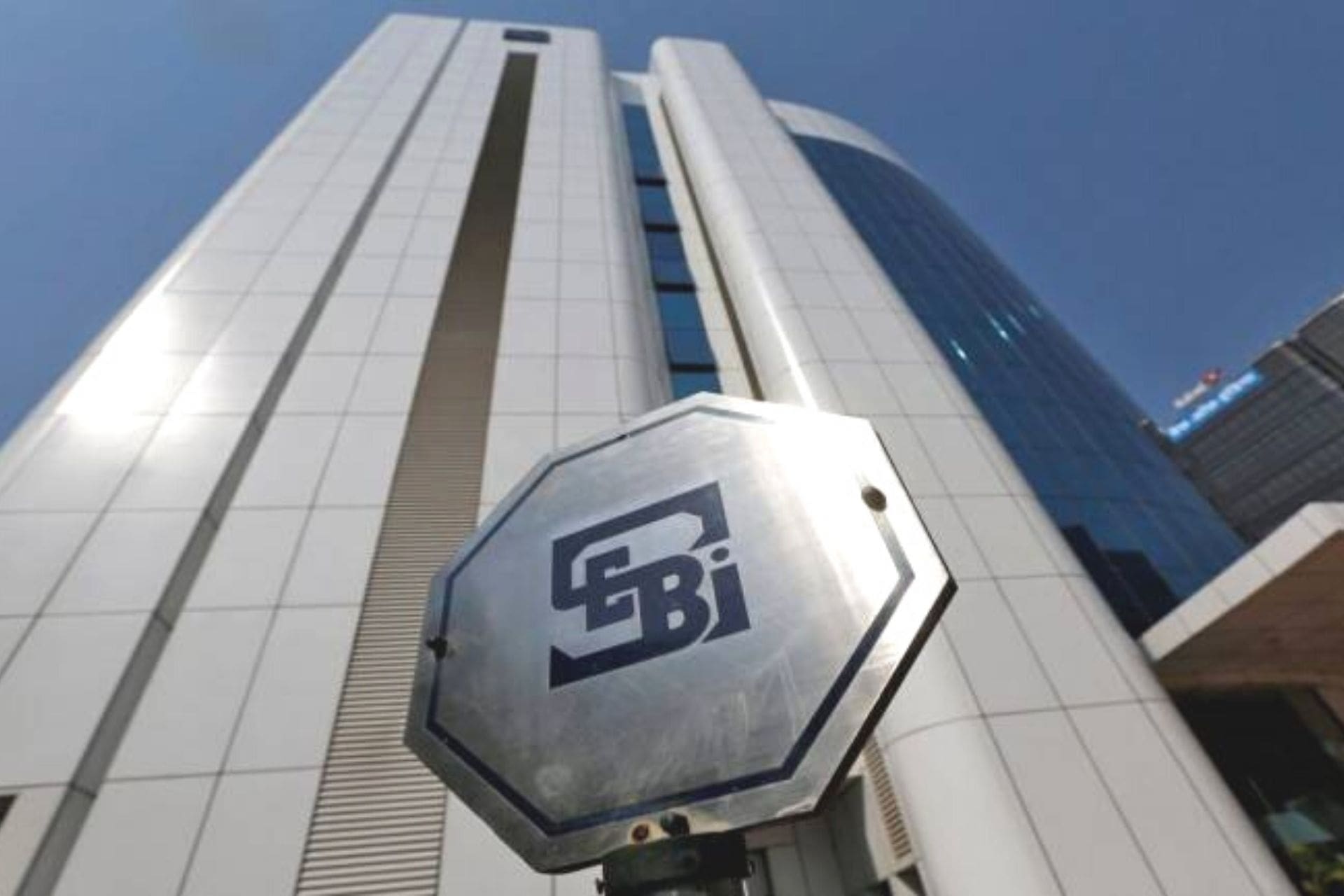
SEBI, the primary regulator of the Indian stock market, plays a crucial role in imposing and lifting Securities Ban in F&O. SEBI is responsible for maintaining market integrity and protecting investors’ interests. It closely monitors market activities and takes necessary actions to prevent excessive speculation and manipulation.
Other regulators, such as stock exchanges and clearing corporations, also play a role in enforcing Securities Ban in F&O. They ensure that trading activities are conducted in a fair and transparent manner and that market participants comply with regulatory norms and guidelines.
Comparison of Securities Ban in F&O with Other Regulations
Securities Ban in F&O can be compared with other regulatory measures, such as circuit filters and margin requirements. Circuit filters are price bands imposed on securities to prevent excessive volatility. They restrict the price movement of a security within a certain range, which can help control speculation and manipulation.
Margin requirements, on the other hand, are the minimum amount of funds or securities that traders need to deposit with their brokers to trade in the F&O segment. Margin requirements help to ensure that traders have sufficient resources to cover potential losses and reduce the risk of default.

Future Implications of Securities Ban in F&O on Indian Stock Market

The future implications of Securities Ban in F&O on the Indian stock market are uncertain. However, it is likely that regulators will continue to impose bans when necessary to maintain market integrity and protect investors’ interests. The ban may become more targeted and specific, focusing on securities that pose significant risks or have violated regulatory norms.
The potential implications for market participants include increased caution and risk management. Investors and traders may become more selective in their investment decisions and adopt strategies to mitigate risks. Market regulators may also introduce new measures and guidelines to prevent excessive speculation and manipulation.
FAQs ( Frequently Asked Questions)
What is Securities Ban in F&O?
Securities Ban in F&O refers to the prohibition of trading in certain securities in the Futures and Options (F&O) segment of the stock market. This ban is imposed by the Securities and Exchange Board of India (SEBI) to prevent excessive speculation and manipulation in the market.
What are the reasons for imposing Securities Ban in F&O?
The Securities Ban in F&O is imposed to prevent excessive speculation and manipulation in the market. It is also imposed to protect the interests of retail investors and to maintain the integrity of the market.
What is the effect of Securities Ban in F&O on the Indian Stock market?
The Securities Ban in F&O can have a significant impact on the Indian Stock market. It can lead to a decrease in trading volumes and liquidity in the affected securities. It can also lead to a decrease in the overall market sentiment and can affect the performance of related sectors.
How long does the Securities Ban in F&O last?
The duration of the Securities Ban in F&O is decided by SEBI and can vary depending on the severity of the situation. The ban can be lifted once the market conditions improve and the concerns of excessive speculation and manipulation are addressed.
What are the alternatives to trading in securities under Securities Ban in F&O?
Investors can consider trading in other securities that are not under the Securities Ban in F&O. They can also consider investing in other asset classes such as mutual funds, bonds, and commodities.
Securities Ban in F&O is an important regulatory measure that helps maintain market integrity and protect investors’ interests. It is imposed when there are concerns about excessive speculation or manipulation in a particular security. The ban can have significant impacts on market indices, liquidity, and market participants. However, with the right coping strategies and support from regulators, investors and traders can navigate through the ban and continue to participate in the stock market.

Free Registration for Stock Market Tips ( Advisory Services)


As per the SEBI rules, we will provide our Services only to those clients who have Complete Risk Profile. Fill This Registration Form and
Contact us on
- Whatsapp @ +91 95999 69624
- Call Us @ +91 82 7799 7560
for further process.
Risk Profiling is COMPULSORY
Stock Market Analysis and Predictions for 2025 Current Market Conditions The stock market is very volatile right now, causing worry among …
Popcorn Tax: Effects the Indian Economy The government of India has recently made the decision to increase the Goods and Services Tax …
Summary of India’s GDP Data Key Data Release An important GDP data release was scheduled post-market closure on November 29. This data …
Nifty Stock Market Analysis by EquityX 25-11-2024 Final Closing Details Nifty Closing Level: 23970 Friday’s Closing Gain: Nifty surged by 557 points. …
The Impact of Liquidity on Intraday Trading Strategies for Maximizing Returns Intraday trading, also known as day trading, involves buying and selling …
Mastering Intraday Equity Trading Top 10 Intraday Trading Tips for Success Intraday equity trading can be an exciting and profitable venture, but …
Strategies for Successful Intraday Equity Trading Intraday trading in the fast-paced world of equity markets can be both thrilling and challenging. With …
The Art of Using Stop-Loss Orders in Intraday Equity Trading Intraday equity trading can be a thrilling and potentially lucrative venture for …
Important Tools for Analyzing Intraday Equity Markets Intraday trading in equity markets can be thrilling and profitable, but it also requires a …
Share Market Tips For Beginners The share market, also known as the stock market, is a crucial component of the global financial …
What Are Macroeconomic And Market-Specific Risks Macro and Market Risks Macroeconomic and market-specific risks can significantly impact the financial performance of businesses …
What Are Risk Management Strategies In Stock Portfolio Risk Management Strategies: In the context of stock portfolio management, risk management refers to the process …
What Are Financial And Business Risks In Stock Investments Interesting Fact: financial and business risks are inherent in stock investments, and understanding …
Risk Assessment Not All Risks Are Equal? When it comes to investing in the Indian stock market, understanding and assessing risk is …
What Are Regulatory And Geopolitical Factors Influencing Stock Investments Regulatory Factors in Stock Investments Regulatory factors play a crucial role in influencing …
What Are Industry Trends And Competitive Positioning Of Companies Industry Trends and Competitive Positioning Analyzing industry trends and competitive positioning is crucial …
Assessing Management Quality And Corporate Governance Practices Interesting Fact: The quality of management and corporate governance practices can significantly impact a company’s …
Qualitative Analysis Companies Have Personalities? Just like people, every company has its own personality, which can be understood through Qualitative Analysis. This type …
What Is Price-To-Book (P/B) Ratio And How It Can Help In Evaluating Stock The Price-to-Book (P/B) Ratio The P/B ratio is a …
The Price-To-Earnings (P/E) Ratio And Its Significance In Stock The price-to-earnings (P/E) ratio and its significance in stock analysis The P/E ratio …
Discounted Cash Flow (DCF) Analysis And Its Application In Stock Valuation Discounted Cash Flow (DCF) Analysis Discounted Cash Flow (DCF) analysis is …
Valuation Techniques True Worth of a Company? Valuing a company is both an art and a science. Investors around the world use …
What are Undervalued And Overvalued Stocks Based On Fundamental Analysis Fundamental Analysis fundamental analysis is a method used to evaluate the intrinsic …
What are Economic Indicators And Their Impact On Stock Prices The stock market is influenced by a wide range of economic indicators? …
Financial Statement Analysis: Balance Sheet, Income Statement, And Cash Flow The balance sheet, income statement, and cash flow statement are the three …
Technical Analysis Indicators To Make Informed Investment Decisions Technical Analysis Indicators Technical analysis indicators are mathematical calculations based on historical price, volume, …
Technical Analysis Tools For Short-Term Stock Market Investment 📈 Candlestick Patterns Candlestick patterns are a crucial part of technical analysis. These patterns provide …
Technical Analysis For Short Term Trading Charts Can Tell Stories? Investing in the stock market is not just about picking stocks at …
What Are The Impact Of Market Trends On Stock Selection Market Trends and Their Impact on Stock Selection Market trends can significantly …